

Authored by: Nesyamn Ranut, Karishma Nanhu, Zara Ali and Renata Ramoutar
At the National Trust of Trinidad and Tobago we aim to list, preserve, protect and recognise significant and unique heritage assets across Trinidad and Tobago. The first step to making this possible is nominating the asset to our Heritage Asset Inventory; this can be done by members of the public in addition to members of staff at the National Trust of Trinidad and Tobago. During the period of January 2025 to June 2025 there were approximately five (5) successful nominations for our Heritage Asset Inventory.
We at the Trust are always excited to share the various aspects of our heritage which may take many forms; it can be built heritage, artefacts, monuments or natural heritage. Heritage is all around us and it is of unprecedented importance that we identify, preserve, protect and educate the wider community about some of our hidden gems as well as some of the not so hidden gems.
Let us take a look at our exciting new nominations!
The Banwari Person
The Banwari Person is a single burial in an encasement (including the original soil context) housed in the University of the West Indies (UWI) Zoology Museum at the St. Augustine campus. It was excavated in 1969 at Banwari Trace, Siparia, and is the oldest known human skeleton in Trinidad and Tobago.
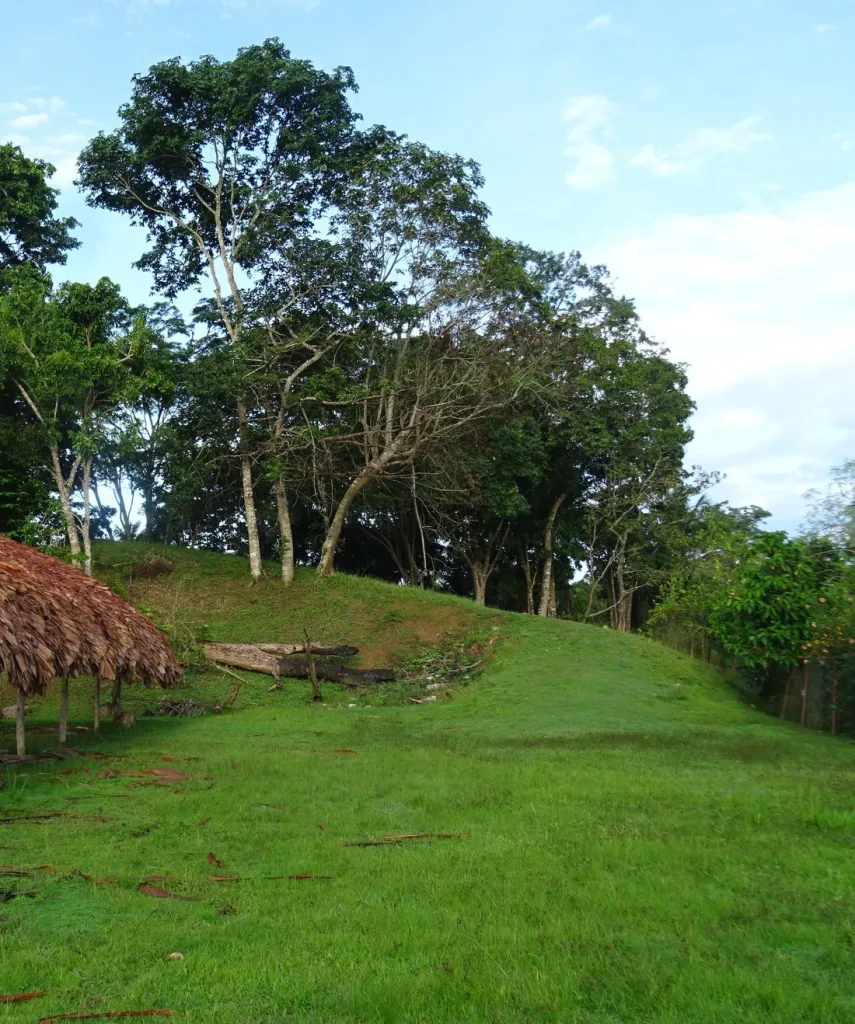
Figure 1 A photo of Banwari Trace showing the approximate location of the Banwari Person. Source: Zara Ali
Author: Zara Ali
Brooklyn Bar
Brooklyn Bar, located at the corner of Carlos and Roberts Streets in Woodbrook, is reputed to be the oldest operating bar in Port of Spain. It was established 85 years ago by Manuel Gonsalves, who was born in 1896 in São Roque, Funchal, Portugal, and later migrated to Trinidad.
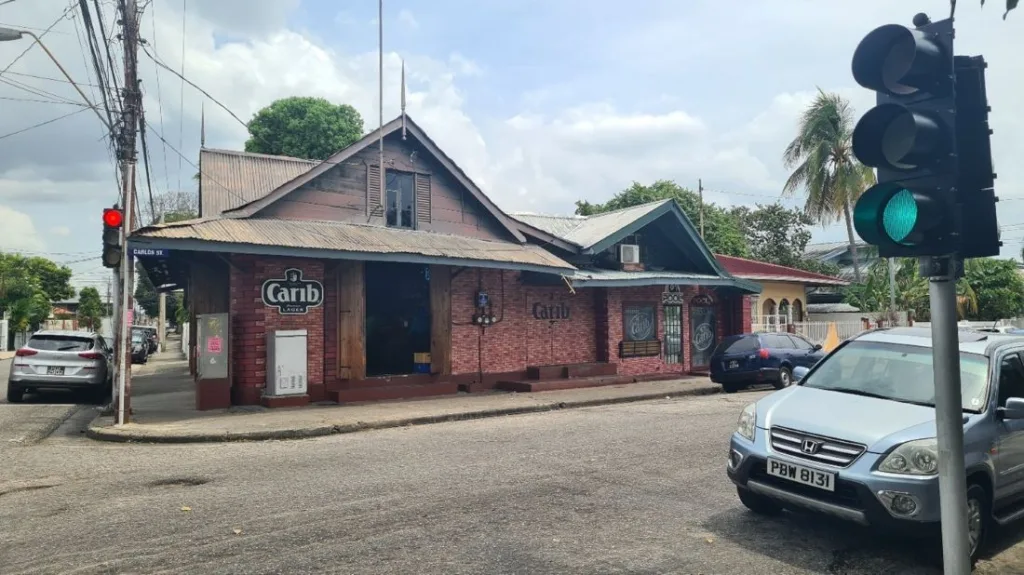
Figure 2 showing the exterior of Brooklyn Bar on the corner of Carlos and Roberts Streets, Woodbrook Source: Nesyamn Ranut
During the period of British colonial rule, the establishment at #63 Roberts Street operated under the name “The New Found Out Bar.” Following its rebranding as Brooklyn Bar, the site has maintained its historical character. During its most recent relaunch, efforts were made to preserve its antique aesthetic while incorporating modern updates.
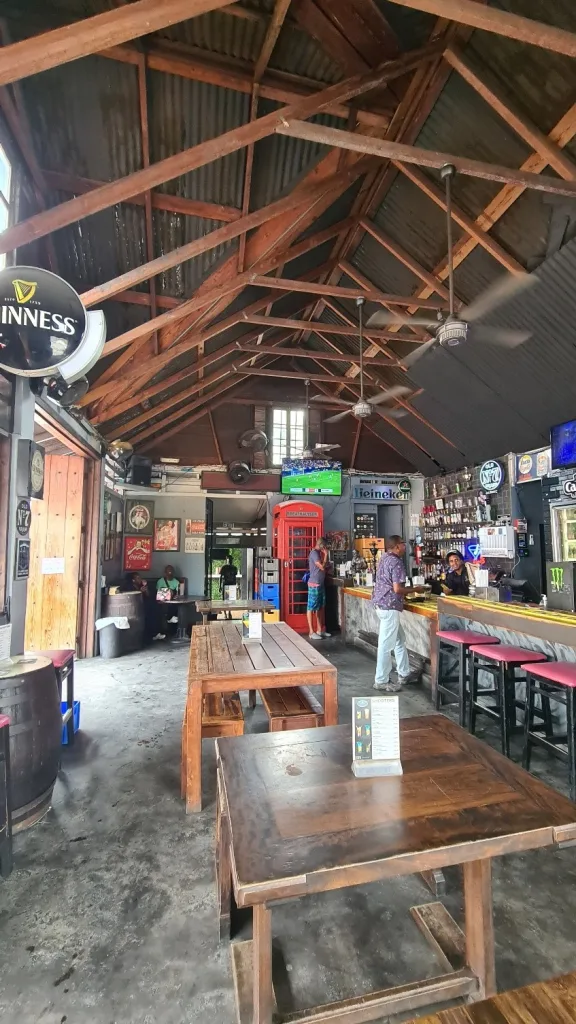
Figure 3 showing the interior of Brooklyn Bar, with bits of the old and new fixtures Source: Nesyamn Ranut
Throughout its history, Brooklyn Bar has remained a significant social landmark. It became particularly known for having the “coldest beer on the island,” a reputation maintained today by the installation of a Sub-Zero Giant Walk-In Chiller capable of storing up to 2,000 alcoholic and non-alcoholic beverages. In addition to beer, the bar expanded its menu to include fine wines and premium spirits and it also features an in-house kitchen. Although the establishment originally distilled its own rum on-site, it also sold other brands of rum and alcoholic beverages, a tradition that has continued over the decades. George’s Doubles, sold at the side of the bar on selected occasions, remains a notable attraction.
Brooklyn Bar attracted a wide range of patrons, including some of the most notorious figures in local history. Among them was Boysie Singh, the infamous underworld figure. The bar is also known for its versatile music selections, providing a relaxed atmosphere for patrons. Manuel Gonsalves, the founder, also operated other establishments in Port of Spain, including the Golden Gate Bar at the corner of Duke and Charlotte Streets and a venue along Cipriani Boulevard in Newtown.
Fun Fact! The prominent gangster, gambler, pirate and murderer Boysie Singh frequented Brooklyn Bar to socialise and conduct business dealings.
Today, while the spirit of the establishment remains intact, the property has undergone changes in ownership. Carlise Gonsalves, a descendant of the founder, sold the property to Sydney Ammon. It was later leased to Ronnie Moses, who is the current owner. The Gonsalves family’s connection to the property continues through Dwight Gonsalves, one of Manuel’s grandsons, who lives at an adjacent property. Dwight has preserved historical artefacts from the bar’s earlier days, including an original estate vat once used to distill rum and a bottle of Superior White Rum produced at the site.
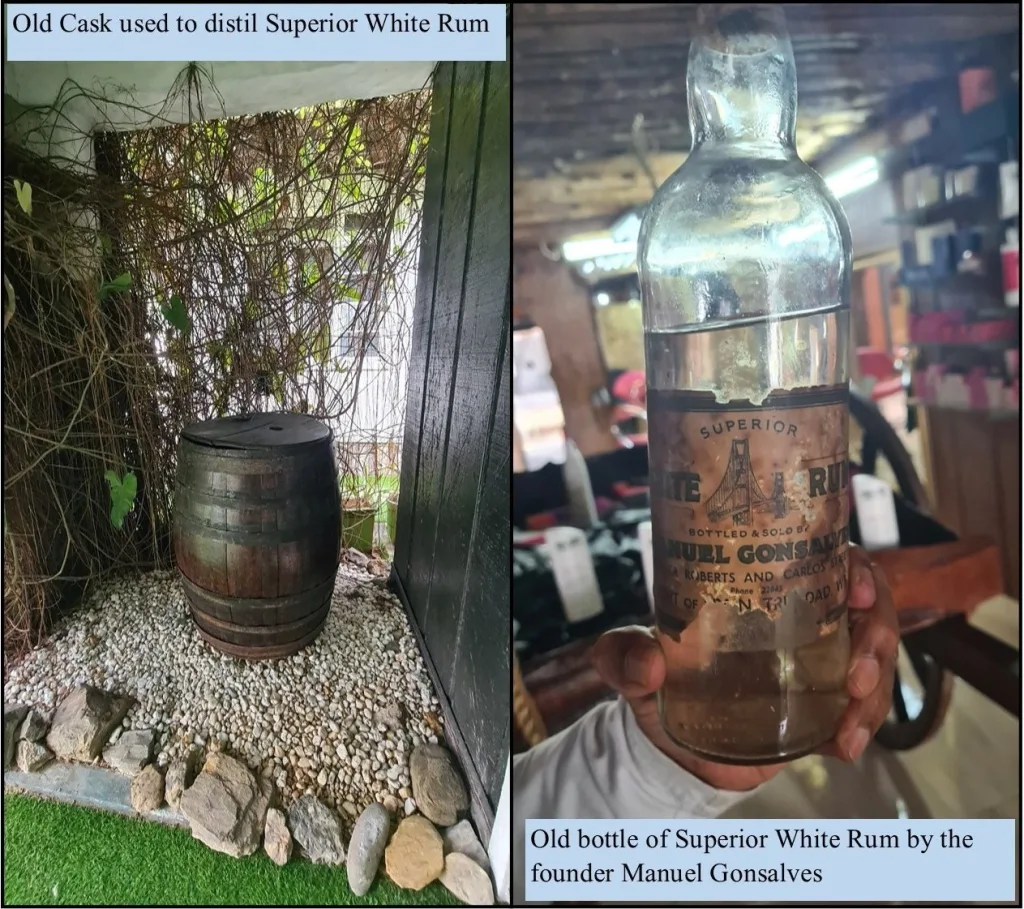
Figure 4 showing an old cask that was used to produce Superior White Rum (Left) and the old packaging that was used to bottle the Rum (Right) Source: Nesyamn Ranut
Author: Nesyamn Ranut
Kilgwyn Wetlands
Kilgwyn Wetlands is located on the Atlantic side of Tobago in the Crown Point area, on the windward coast of Southwestern Tobago. It is open to the public and can be accessed via the old Store Bay Local Road. Kilgwyn Wetlands comprises a few elements which include, the Kilgwyn Swamp, a coral reef, fringing coastline and threatened seagrass beds. Adjacent to the Kilgwyn Swamp is also another mangrove system called Friendship Swamp which is of equal importance.
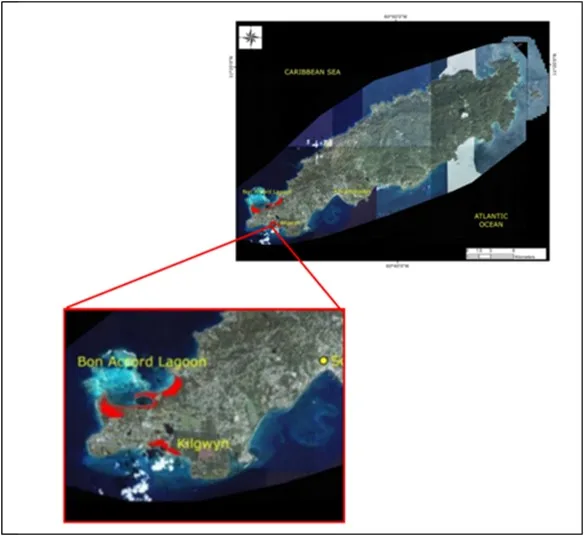
Figure 5 showing the location of Kilgwyn Bay Tobago. Source: Juman and Hassanali 2013
Kilgwyn Swamp is a brackish basin mangrove, approximately 33.9 hectares while its neighbouring counterpart, Friendship Swamp, also a basin mangrove, is approximately 11.7 hectares. The basin mangroves provide a unique ecosystem, as they are separated from the coastline and appear as a shallow lagoon. Globally, mangroves are recognised as significant ecosystems with the capacity to provide various ecosystem services such as nutrient cycling, recreation, and providing a habitat for a variety flora and fauna.
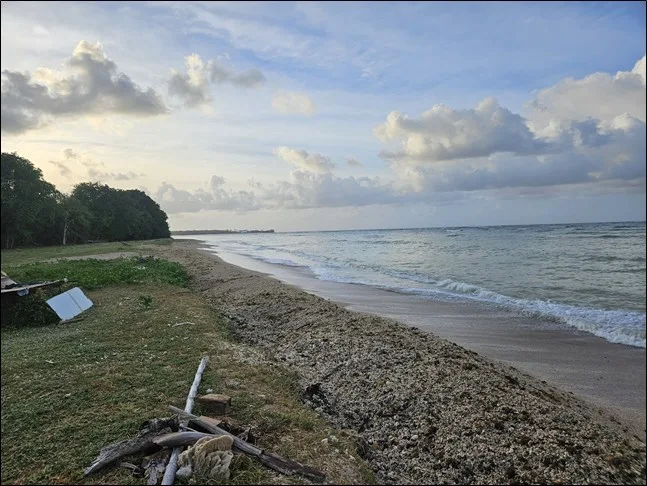
Figure 6 showing the coastline with coral deposits from the fringing coral reef with a glimpse of the Kilgwyn Wetland in the background. Source: Renata C. Ramoutar
Kilgwyn Wetland is one of two major and proper wetlands in Tobago, being the last stronghold swamp which can aid in climate change mitigation and adaptation. While the swamps provide many significant ecosystem services the coral reef and the miniscule presence of seagrass beds also play a role in the wider ecosystem. The reef provides a habitat for many species of fish and other sea creatures in addition to the recreational value where it is known to be a popular snorkelling and dive spot for many. The seagrass beds have almost entirely disappeared at Kilgwyn Bay. While they have similar roles as coral reefs, they also provide a haven for juvenile fish, conch and lobster just to name a few.
Fun Fact! In 1980 the Kilgwyn Wetland was proposed to be a Scientific Reserve given that it is the only area with an existing littoral (salt tolerant) forest in Tobago.
Kilgwyn Wetlands has a history of development, sandmining and environmental concerns such as pollution and encroachment from the expansion of the A.N.R Robinson Airport. While the wetlands are of great importance, they face constant threats which increases the need for this natural heritage asset to be preserved and protected.

Figure 7 showing the ANR Robinson Airport in relation to the Kilgwyn Wetland Source: Renata C. Ramoutar
Author: Renata C. Ramoutar
Sugar Mill Barrackpore
The sugar mill was purchased by Mr. Kanhai Harry’s great grandfather, Mr. Dookoo Ram, who was an Indian indentured immigrant, born on a ship during the voyage to Trinidad. Mr. Ram was instrumental in building his community. He was a cane farmer, and he also grew a variety of other crops.
The sugar mill was produced by the Chattanooga Plough Company of Tennessee which was established in 1878. The company produced ploughs and other farming equipment including both animal and mechanical powered mills in a range of sizes. At one point it was the largest factory in Chattanooga and an international leader in plough design and production. The Caribbean was a major market for Chattanooga cane mills, evaporators and furnaces, especially in Jamaica, where or 5000 cane mills were sold.
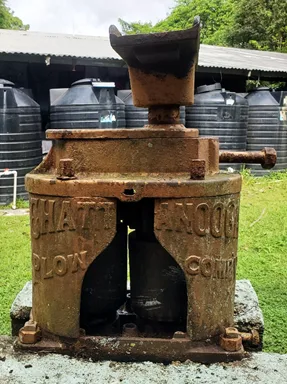
Figure 8 showing the front view of the Chattanooga cane mill Source: Zara Ali
NOTE: The mill in Barrackpore is the No. 7 two-roll mill.
Author: Karishma Nanhu
Our Lady of Lourdes Presbytery
This double-story, mixed-use building is over 100 years old and sits on the roadside on Saddle Road, just down the hill from our Lady of Lourdes RC Church in Maraval. The building is a classic example of Trinidadian vernacular architecture, with its open veranda, fretwork, jali and other ornamentation. The structure is primarily made of river stone and lime at the lower level and timber on the upper level. Some of the interior walls, which are understood to be from the original structure, are made of rammed earth construction of earth and clay from the site. The building has been vacant for several years, however the church is in the process of planning the restoration in order to reuse it as the parish offices and priest’s home.
History
The exact date of the building is currently unknown, but the original walls have been estimated to be between 100 and 120 years old. The building has been a part of the Our Lady of Lourdes Parish for more than 50 years. Originally a presbytery had been erected alongside this church building which had been constructed between 1870-1872.
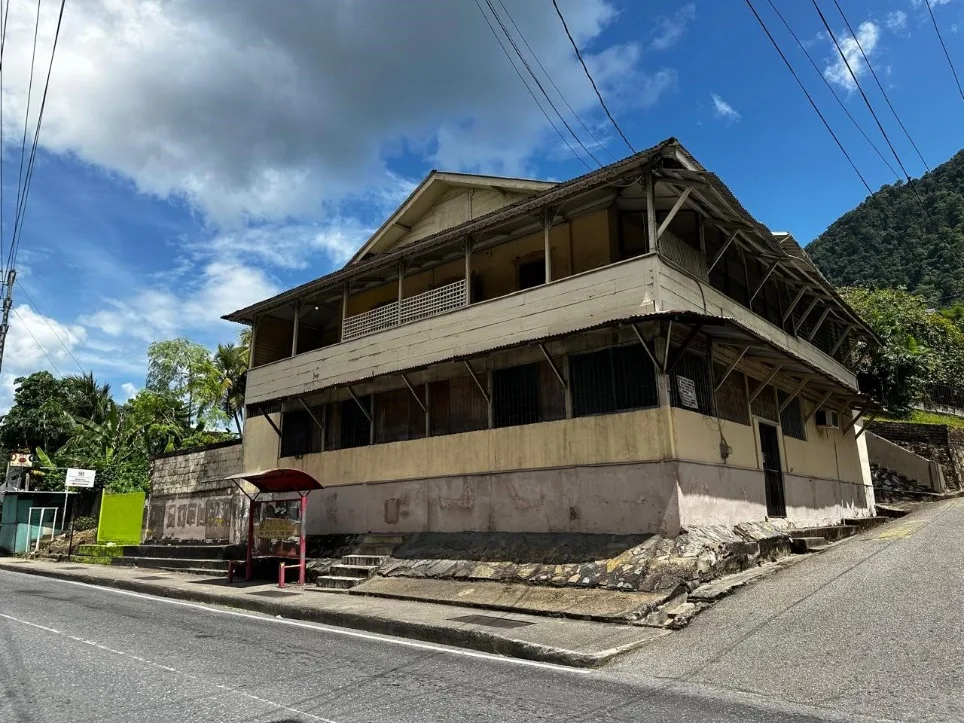
Figure 9 showing the external view of Our Lady of Lourdes Presbytery Source: Ashley Adams Stauble
Author: Karishma Nanhu
We at the Trust hope that these new additions to our Heritage Asset Inventory have given some perspective on what are some things that are viewed as Heritage across Trinidad and Tobago. Heritage can be in many forms and as described above we have artefacts, buildings and natural heritage.
We encourage you all to take a look your local heritage and make your own nominations that can possibly be added to our Heritage Asset Inventory. You can visit our website to submit your nominations. Click here to make your nominations
Written by:
 Renata Ramoutar – Heritage Protector by Day, Nature Explorer Always
As a Heritage Preservation and Research Officer at the National Trust of Trinidad and Tobago, I spend my days diving into the stories of the past—and my weekends diving into turquoise waters or tackling a scenic trail. With a Master’s in Biodiversity Conservation and a background in environmental research (plus field time wrangling wild guppies), I blend conservation science with cultural stewardship.
From data analysis to electrofishing, historic preservation to hiking adventures, I’ve built a career—and a life—centered around protecting what matters, whether it’s ecosystems, old architecture, or a good reef.
Think of me as a tropical mix of eco-warrior, heritage advocate, and outdoorsy soul—with a solid Wi-Fi signal and a reusable water bottle.